Keep Your
Community Clean.
Pick it up. Log it. Join cleanups. Build a cleaner community.
Live Totals
Community Impact
Updated automatically from all community activity
CleanBlock Civic uses conservative estimated weights based on item type. Estimates are intentionally low to avoid exaggerating impact. Learn more →
Environmental Information
Litter & Our Environment
Litter is part of our daily environment—from roads and sidewalks to parks, forests and waterways. Different materials persist, move and affect the environment in different ways. Below are common types of litter documented through CleanBlock Civic, with information from U.S. government agencies and scientific sources.
Most trash that pollutes U.S. waterways comes from sources on land. Wind and rain can carry litter from the ground into storm drains, streams and rivers.
Source: U.S. EPA — Learn About Aquatic TrashPlastic & Packaging
EPA reports that Americans generate more than 36 million tons of plastic waste annually, and plastic represents approximately 12.2% of U.S. municipal solid waste (2018 data).
Plastic litter can persist in the environment and fragment into increasingly smaller particles, including microplastics. Wildlife can ingest plastic debris or become entangled in it.
Source: U.S. EPA — Learn About Aquatic TrashFoam / Polystyrene
Polystyrene foam is plastic. Lightweight foam litter can be moved by wind and stormwater toward drainage systems and waterways. Like other plastic debris, it can persist and fragment into increasingly smaller pieces rather than simply disappearing.
Historical EPA waste-generation figures describe waste generation, not the amount of material littered or entering waterways.
Source: U.S. EPA — Learn About Aquatic TrashCigarette & Vaping Waste
Cigarette filters contain plastic. EPA specifically uses cigarette butts as an example of litter that can wash through stormwater systems and enter waterways. Disposable vaping products can additionally contain electronic components, residual nicotine and lithium batteries and should not be treated as ordinary harmless litter.
Source: U.S. EPA — Learn About Aquatic TrashGlass
Glass bottles and fragments can persist as litter, and broken glass creates an immediate physical hazard for people and animals.
EPA material-generation statistics describe waste generation, not litter entering waterways.
Source: U.S. EPA — Facts and Figures About Materials, Waste and RecyclingAluminum & Metal
Metal containers are recoverable materials when properly recycled but can remain as litter when improperly discarded.
EPA material-specific data reflects waste generation and recycling, not litter rates.
Source: U.S. EPA — Facts and Figures About Materials, Waste and RecyclingPaper & Cardboard
Paper and cardboard represent a major portion of the U.S. municipal waste stream and have an established recycling pathway. Improperly discarded paper and cardboard can nevertheless become litter and be transported by wind and stormwater.
Paper is not environmentally equivalent to persistent plastic.
Source: U.S. EPA — Facts and Figures About Materials, Waste and RecyclingFishing Line & Fishing Gear
Lost fishing line and other fishing gear can entangle wildlife. NOAA documents that entanglement can interfere with animals’ ability to swim and feed, cause injuries and potentially result in death. Lost or abandoned fishing gear can also continue trapping wildlife after it is no longer controlled by a fisher, a process known as ghost fishing.
Source: NOAA Marine Debris Program — Wildlife Entanglement and Ghost FishingTires & Road Debris
Tire and roadway debris should be considered separately from ordinary packaging litter. EPA researchers study tire-wear particles and their transport through stormwater into waterways. An abandoned tire is distinct from microscopic or small tire-wear particles generated during driving.
Source: U.S. EPA — Where Rubber Meets the RoadBatteries & Special Waste
Batteries and electronic waste can require special disposal because of their chemical components and fire hazards. Damaged, leaking, swollen or otherwise hazardous batteries should not be handled casually — follow current EPA disposal guidance and local hazardous waste programs.
Source: U.S. EPA — Used Household BatteriesSimple by Design
How It Works
Three steps. No experience required.
Report
Spot litter or an area that needs attention? Pin it on the map so the community knows where help is needed.
Clean
Head out, clean up, and log your effort. Track bags removed, hours spent, and photos of the transformation.
Share
Your cleanup appears in the community feed. Others see real action happening and are inspired to get involved.
Our Purpose
Why CleanBlock Civic Exists
This platform isn't about trash. It's about ownership — of your neighborhood, your community, and your environment.
Built by someone who showed up
CleanBlock Civic was created by a real person who got tired of waiting for others to fix the problem. It started with a trash bag and a walk.
Every action is tracked and visible
When you log a cleanup, it counts. Bags removed, hours volunteered, and locations improved are recorded and shared with the community.
Local action, real results
We're not asking anyone to solve a global problem. We're asking people to take care of their block, their park, their trail.
Transparent and independent
No hidden agendas. No corporate sponsors. Just a simple platform that helps communities organize, document cleanup efforts, and take pride in where they live.
Community Activity Feed
Live updates from volunteers in your community.

Alex Cramphorn picked up 2 pieces of litter (~0.05 lb est.) on a quick pickup.
Quick Pickup · 1w ago
Alex Cramphorn picked up 1 piece of litter (~0.03 lb est.) on a quick pickup.
Quick Pickup · 2w ago


Alex Cramphorn picked up 70 pieces of litter (~1.185 lb est.) on a quick pickup.
Quick Pickup · 2w ago
Alex Cramphorn reported a general litter location.
Report · 3w ago
Alex Cramphorn picked up 1 piece of litter (~0.005 lb est.) on a quick pickup.
Quick Pickup · 3w ago

Alex Cramphorn picked up 22 pieces of litter (~0.364 lb est.) on a quick pickup.
Quick Pickup · 3w ago

Alex Cramphorn picked up 25 pieces of litter (~0.351 lb est.) on a quick pickup.
Quick Pickup · 3w ago
Alex Cramphorn picked up 17 pieces of litter (~0.396 lb est.) on a quick pickup.
Quick Pickup · 4w ago
About CleanBlock Civic
CleanBlock Civic is a community environmental litter documentation and cleanup platform. It provides a simple way to record litter and cleanup activity while building a clearer picture of the types of waste being found and removed from our shared environment.
Environmental information presented by CleanBlock is sourced from government agencies and scientific research. Community cleanup data reflects user-submitted activity and should not be interpreted as controlled scientific sampling.
Explore Local Cleanup Activity
View reported litter, active cleanup projects, completed cleanups, and community impact across your area.
Bags Collected
Month-over-month community impact
From the Field
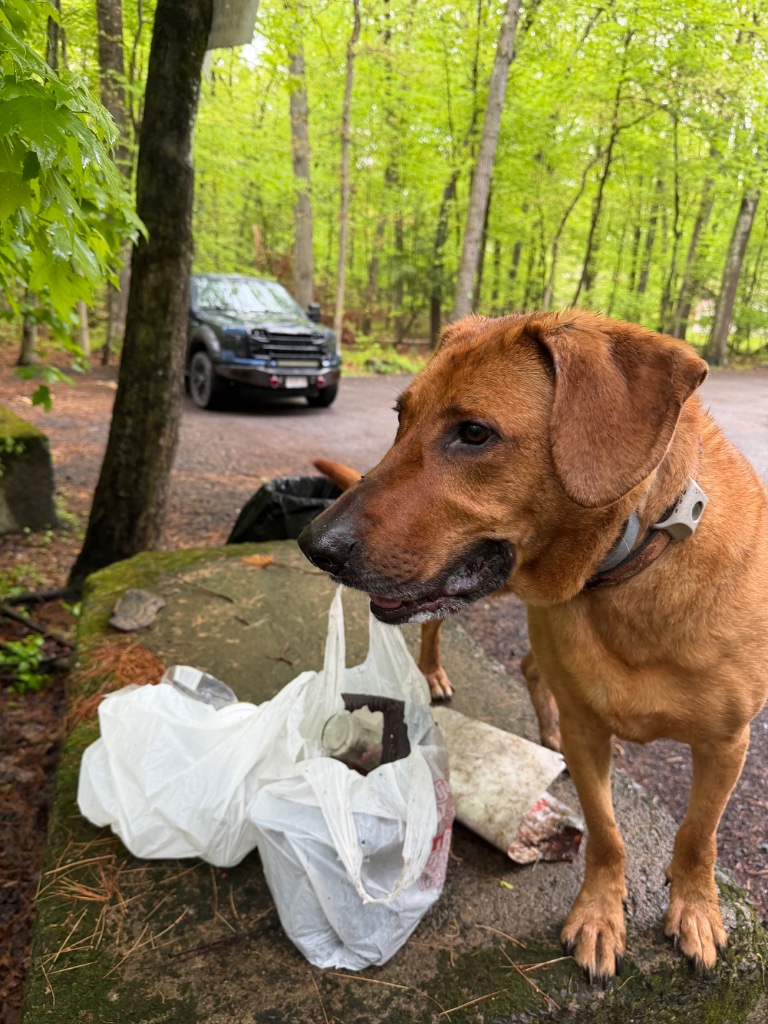
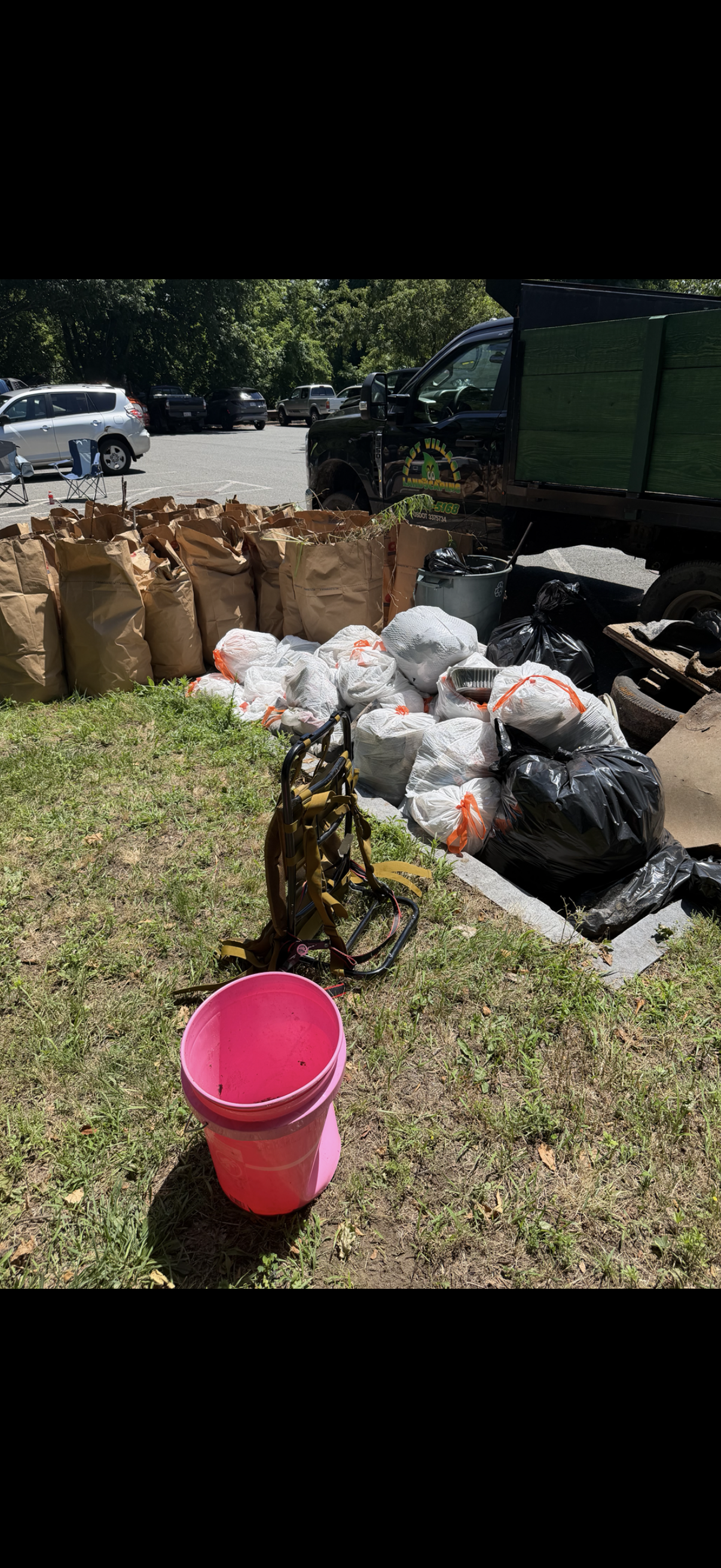
Real cleanups from our community — no stock photos.
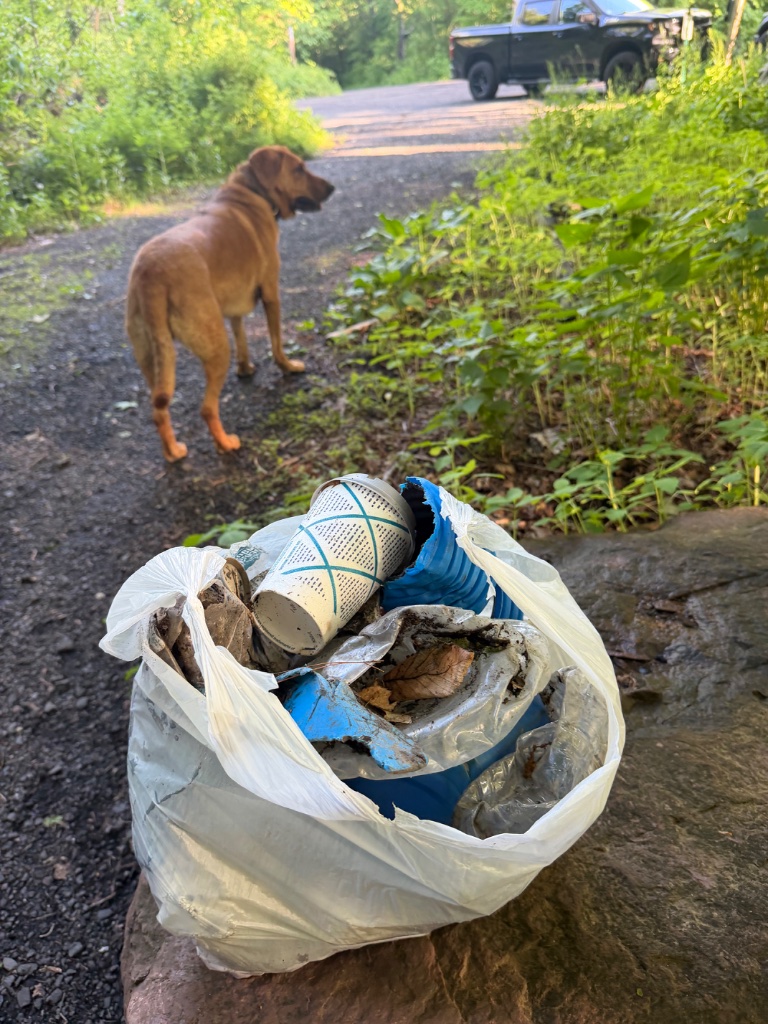
Dog walk cleanup haul
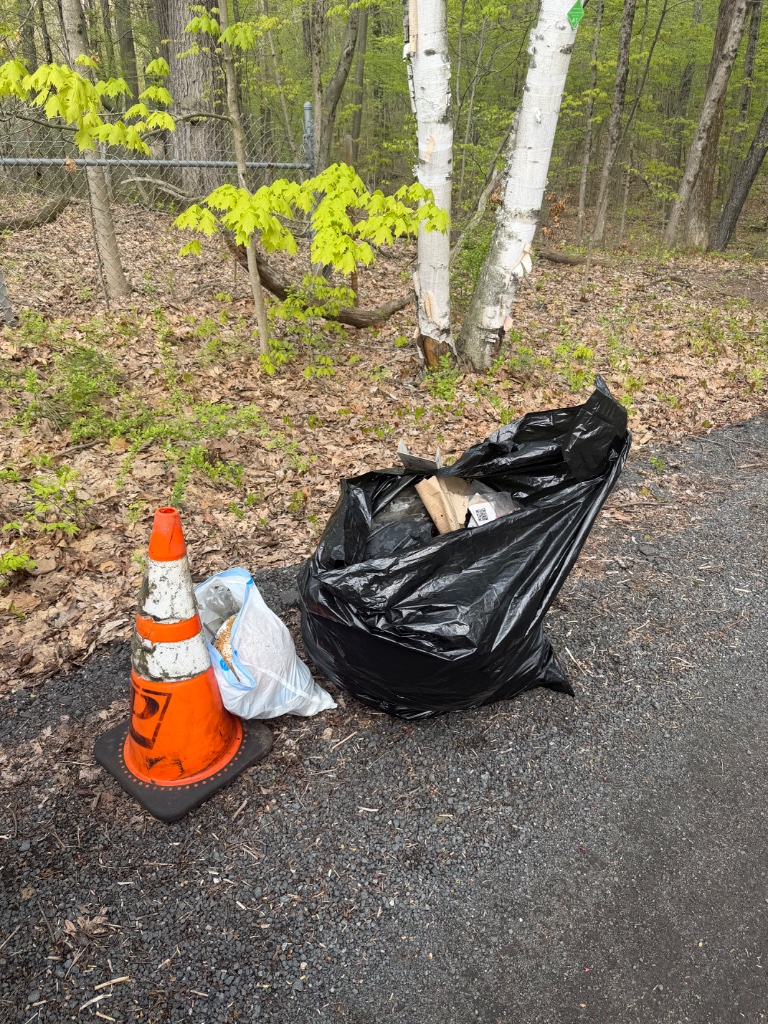
Trail bags packed up
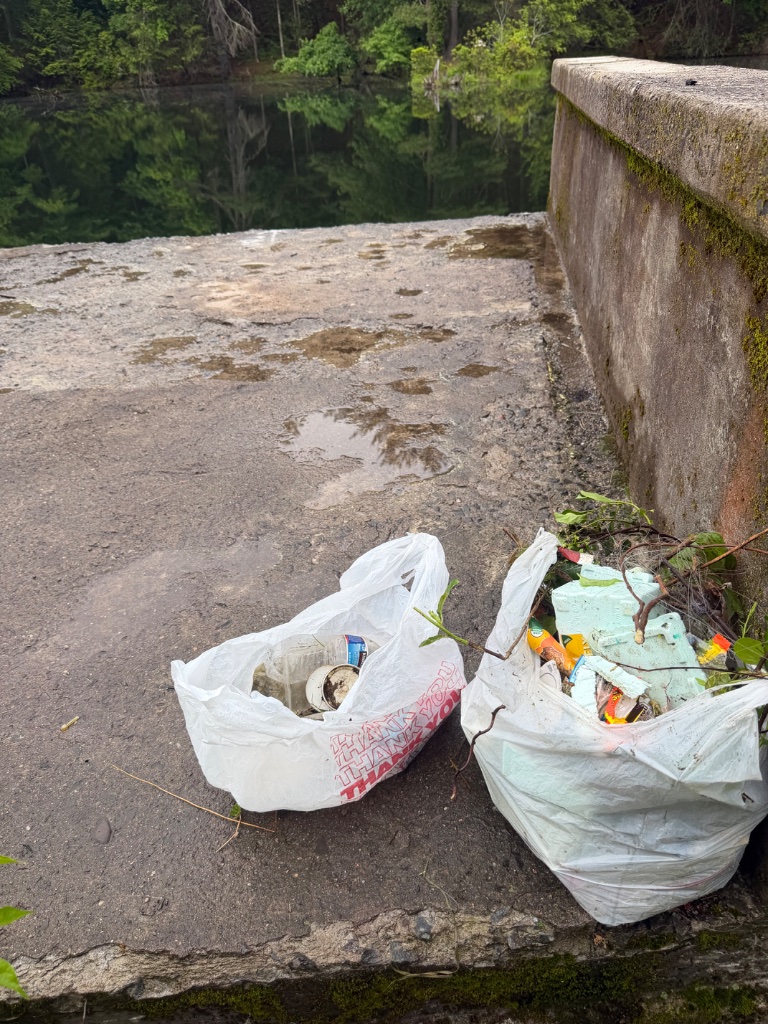
Waterway debris cleared
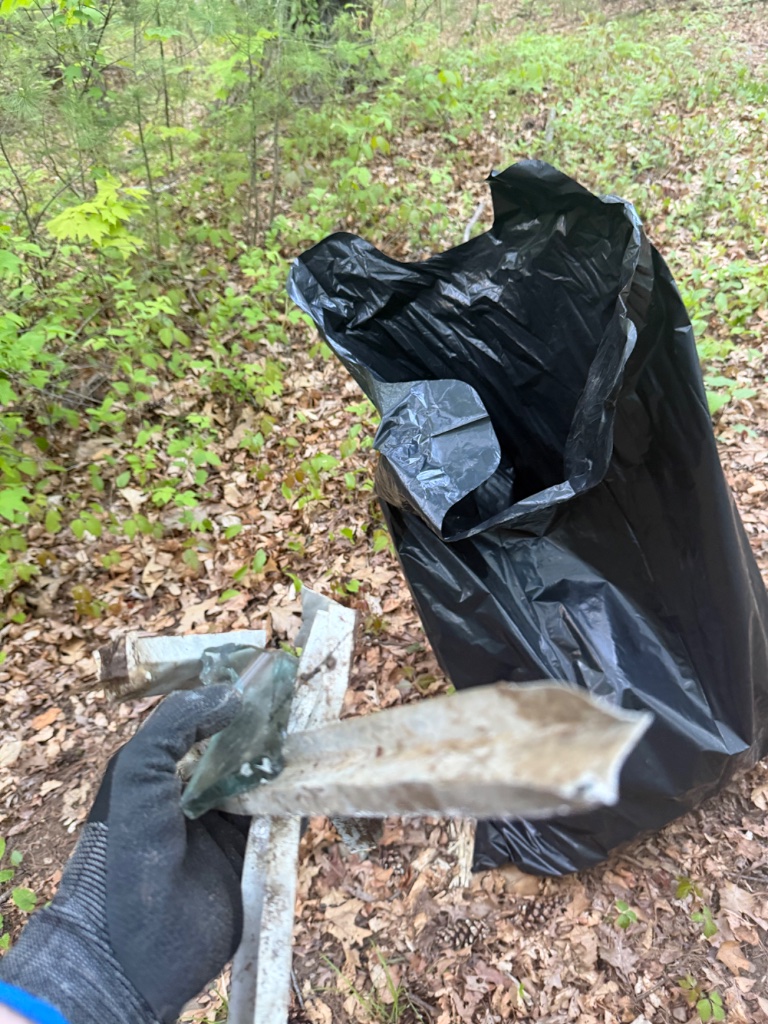
Gloved up and getting it done
Community Impact
Recognizing the people making a difference.
A volunteer
1 cleanup · 6h · 1 location
Litter is part of our everyday environment. So is the opportunity to remove it.
One piece is a small action. Repeated across people, neighborhoods and communities, small actions become measurable collective impact.
Leave it better than you found it.